


If you’re planning to remodel your home and custom cabinetry is on your shopping list, there are 3 primary styles to choose from that you need to know about…
When you’re designing your dream kitchen (or other interiors), selecting one of these styles is the foundation of your build which your cabinet maker will then reference to pick the right “construction method” for your project.
It’s important to understand the differences and limitations of each style so that you can ensure you are investing in the look that is best for you.
First Things First…Framed vs Frameless Cabinetry
In order to make a style selection, you will want to first understand these two primary construction methods in custom cabinetry.
#1 Framed Cabinetry
Framed Cabinetry is more than likely what you currently have in your home if you live in the United States. This traditional cabinetry construction method includes a hardwood frame (known as the “Face Frame”) that is joined to the plywood case (carcass) of the cabinet.

Note: Technically, all 3 styles of cabinetry can be achieved with a framed cabinet.
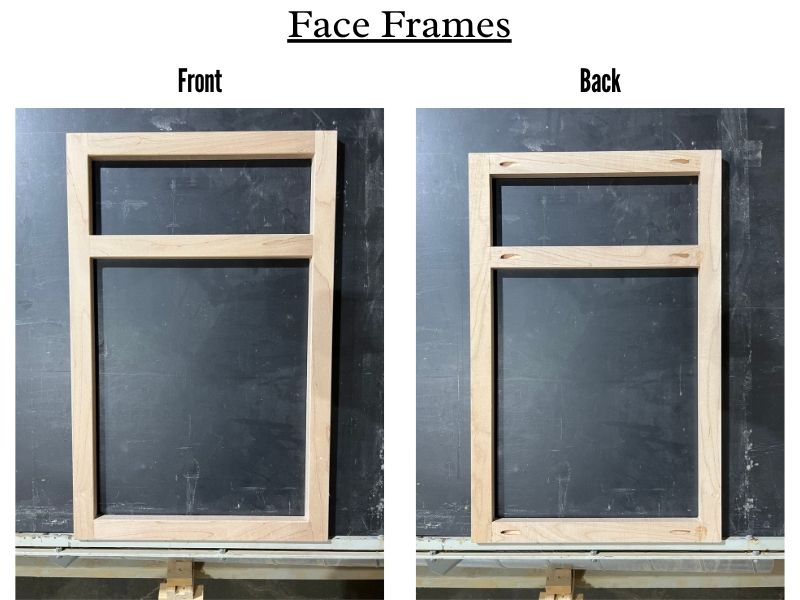
#2 Frameless Cabinetry
Frameless cabinetry is exactly what it sounds like…there is no face frame, only the case.
Note: Full overlay is the style most commonly used with frameless cabinetry.

Framed vs Frameless in Summary:
I won’t get into the weeds on the pros and cons, structural details, or other technicalities regarding these two construction methods for this article – that is an article of it’s own! If your cabinet maker is experienced, they can make either method look and function beautifully for you.
Now, let’s dive into the Top 3 cabinet styles!
#1 Standard Overlay
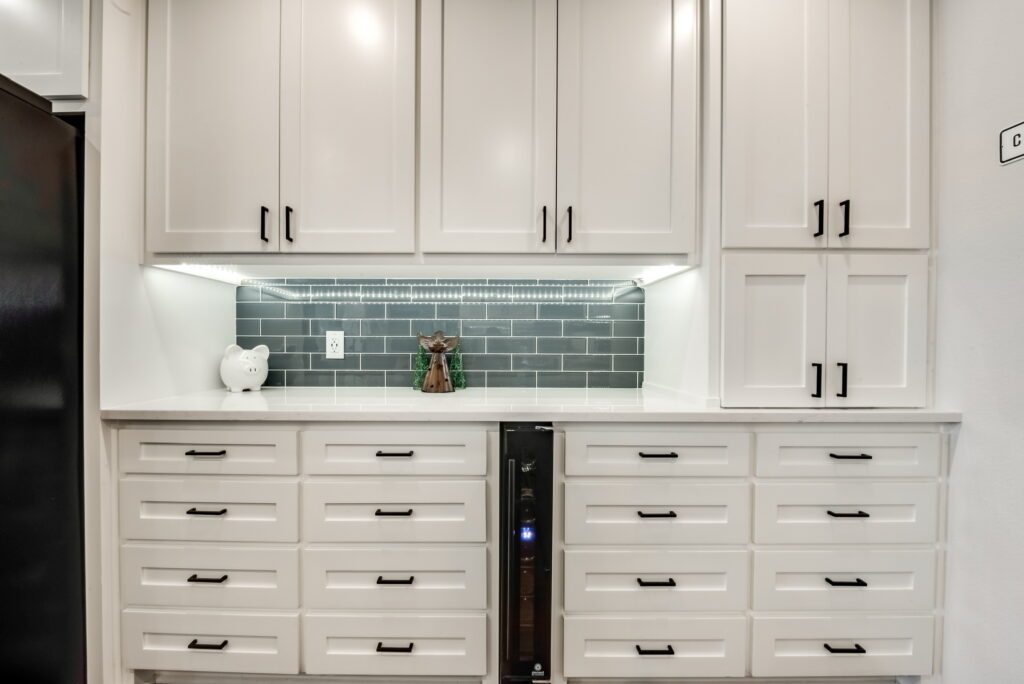
What is it? Standard overlay cabinetry is most commonly achieved by using a framed cabinet and “over-laying” the doors and drawer fronts to where they close on “top” of the face frame. This style is used in the vast majority of “builder grade” homes, semi-custom and even in custom cabinetry. What makes this style “Standard” is the 1 inch “Reveal” between the doors and drawer fronts throughout the cabinetry.
What is a “Reveal” you ask? The term “Reveal” in cabinetry refers to the gaps or spacing that is left between the doors and drawer fronts of your cabinetry. The tighter the reveal, the greater the difficulty and skill required to build.

Note: Typical Overlay Style reveals can range anywhere from 1” to ½” and ¼”, although these tighter reveals would not be considered “standard”.

In Summary:
Because the reveal on a Standard Overlay cabinet is rather large, it is the easiest style to achieve and in almost every case is more cost effective than the other styles. This makes Standard Overlay, for lack of better terms, relatively “Basic” in the custom cabinetry world when compared to Full Overlay and Inset.
Genre:
Traditional – Stock – Common
#2 Full Overlay

What is it? Full Overlay cabinetry is when the reveal between door and drawer fronts is ⅛” and is most commonly paired with a Frameless construction method. This style allows the doors and drawer fronts to be the star of the show as they take up all of the visual real estate on the face of your cabinetry. This style is most often seen in modern luxury kitchens and other interiors with a contemporary vibe.


In Summary:
Choose this style when you love the look of sleek and seamless cabinetry that needs no interruption from face and door frames. This is a great choice when you want to really draw attention to the type of wood you are using ie: rift sawn white oak, walnut, or other exotics where the material speaks for itself.
Because this style requires a tighter reveal than Standard Overlay, the difficulty and skill required to get this right across all of your cabinetry is much greater. Naturally, this places Full Overlay into the luxury custom cabinetry category.
Note: Technically, you can use any door profile – not just flat “slab” doors – and make them full overlay simply by keeping the reveal at ⅛”
Genre:
Modern – Contemporary – Sexy – Sleek
#3 Inset

What is it? Finally, Inset Cabinetry is when your door and drawer fronts sit inside (or flush with) the face frame itself while maintaining the coveted ⅛” reveal. This elegant style is achieved by using a framed cabinet and perfectly sizing the doors and drawer fronts to the inside width and height of each opening. This style is seen most often in traditional or transitional luxury kitchens and other interiors with a refined, established aesthetic.

In Summary:
If this is your forever home and your dream kitchen is in the works, Inset Cabinetry is an excellent choice. It will look great forever and especially merges well when renovating homes with traditional architecture.
Because Inset Cabinetry requires a perfectly square face frame and doors to achieve the desired reveal, this style demands the utmost attention to detail and skill from your cabinet maker. Not only that, the hardware used for inset doors is specially designed for this look and is a style that has to be done right – or not at all – if it is to stand the test of time.
Given that, Inset is considered by most to be the crown jewel of luxury custom cabinetry and few cabinet makers offer it due to its complexity in execution.
Genre:
Traditional – Transitional – Timeless – Elegant
I hope this article helps you along your journey to choosing the perfect custom cabinets for your home!
At Kerfside, our skilled team regularly builds Inset and Full Overlay custom cabinetry that is tailored to our client’s needs.
If you would like to chat with me about your project, please book your Discovery Call here on our website and I’d be glad to see how we can help bring your vision to life!
Author:
Judson Archer / Owner